Community
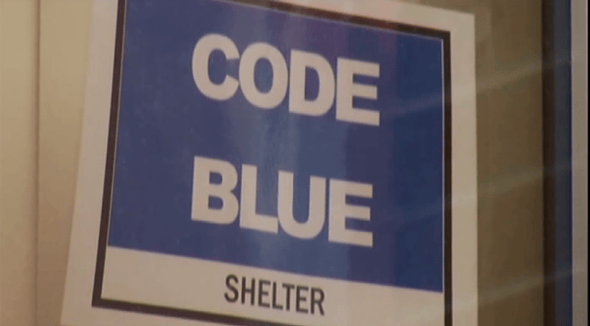
Albany County declares Code Blue through the weekend
By Nina Rodriguez
Advertisement · Why this ad?
Lisa Chen has over 5 years of experience reporting on the real estate market in Buffalo, specializing in neighborhood development and housing trends. A graduate of Columbia University, she previously reported for local real estate blogs and has developed a keen insight into market dynamics. Lisa is passionate about making complex housing data understandable for all Buffalonians.
More from Lisa →
BUFFALO, N.Y. (WKBW) — As flu activity increases across New York, local hospitals are taking steps to protect patients and limit the spread of respiratory illnesses. Watch the full video below: WNY hospitals respond to increases flu cases and hospitalizations Starting Monday, Catholic Health will require employees who provide direct patient care to wear masks in clinical settings. That includes doctors, nurses, physician assistants and other patient-facing staff. Visitors will also be strongly encouraged to wear masks. Dr. Thomas Cumbo, an infectious disease physician who practices at Kenmore Mercy, says the policy is designed to protect patients, who are often more vulnerable to infection because of their underlying health conditions. "This is very different than, for example, masking in public the way we did with COVID," Dr. Cumbo said. "This is directly impacting patients in the hospital." Kaleida Health, which operates several hospitals across Western New York, including Buffalo General Medical Center, Golisano Children's Hospital and Millard Fillmore Suburban Hospital, is not requiring masks at this point. However, visitors are encouraged to wear them, and masks are available at most entrances. Dr. John Sellick with Kaleida says local flu cases and hospitalizations are increasing, but not dramatically enough for Kaleida to change its policy just yet. "For right now, we're sitting tight," Dr. Sellick said, adding that hospital officials are monitoring the numbers and discussing the possibility of additional precautions as cases increase. In a statement, an ECMC spokeperson said it requires any unvaccinated staff members to wear a surgical mask every flu season. "We follow NYS Department of Health guidance regarding influenza masking within our healthcare facilities and advise all visitors to wear a mask while they are here," the spokesperson said in a statement. "In addition, we also advise anyone experiencing flu-like symptoms to avoid visiting anyone who has been admitted to the hospital." Flu season started earlier than usual Dr. James McDonald, New York State's commissioner of health, said this year's flu season got an unusually early start. He declared flu prevalent statewide after influenza activity began roughly six weeks earlier than usual. The latest state flu report , covering the week ending Oct. 31, showed a 77% increase in reported flu cases and a 105% increase in flu-related hospitalizations compared with the previous week. Seniors accounted for 56% of those hospitalized. "It's generally people 65 and older," Dr. McDonald said. "It's also people who are very young, little ones under 4, you know, people who are pregnant are at high risk of ending up in the hospital as well." Across Western New York's eight counties, the most recent reporting week brought several hundred new flu cases and 40 hospitalizations. Dr. Cumbo says flu activity is increasing nationally and statewide, although the local numbers have not yet reached the levels he expects to see as the season progresses. He anticipates local cases could increase significantly in the coming days and weeks. Doctors urge people to get vaccinated before Thanksgiving Doctors say vaccination remains the best way to protect against serious illness from the flu. With Thanksgiving approaching, health officials are emphasizing the importance of getting vaccinated as soon as possible. It typically takes about two weeks for the body to develop full protection following a flu shot. Doctors also stress the importance of staying home when sick, particularly when visiting someone in the hospital. "If you're sick, don't come to visit grandma," Dr. Sellick said. "Grandma's already sick enough to be in the hospital. Don't bring whatever you have." Although it is still relatively early in the flu season, health officials are preparing for activity to increase. Last flu season in New York peaked around Christmas, and hospitals are monitoring the numbers as the holiday season approaches.